How to Welcome & Support Refugee Students: A Guide for Schools
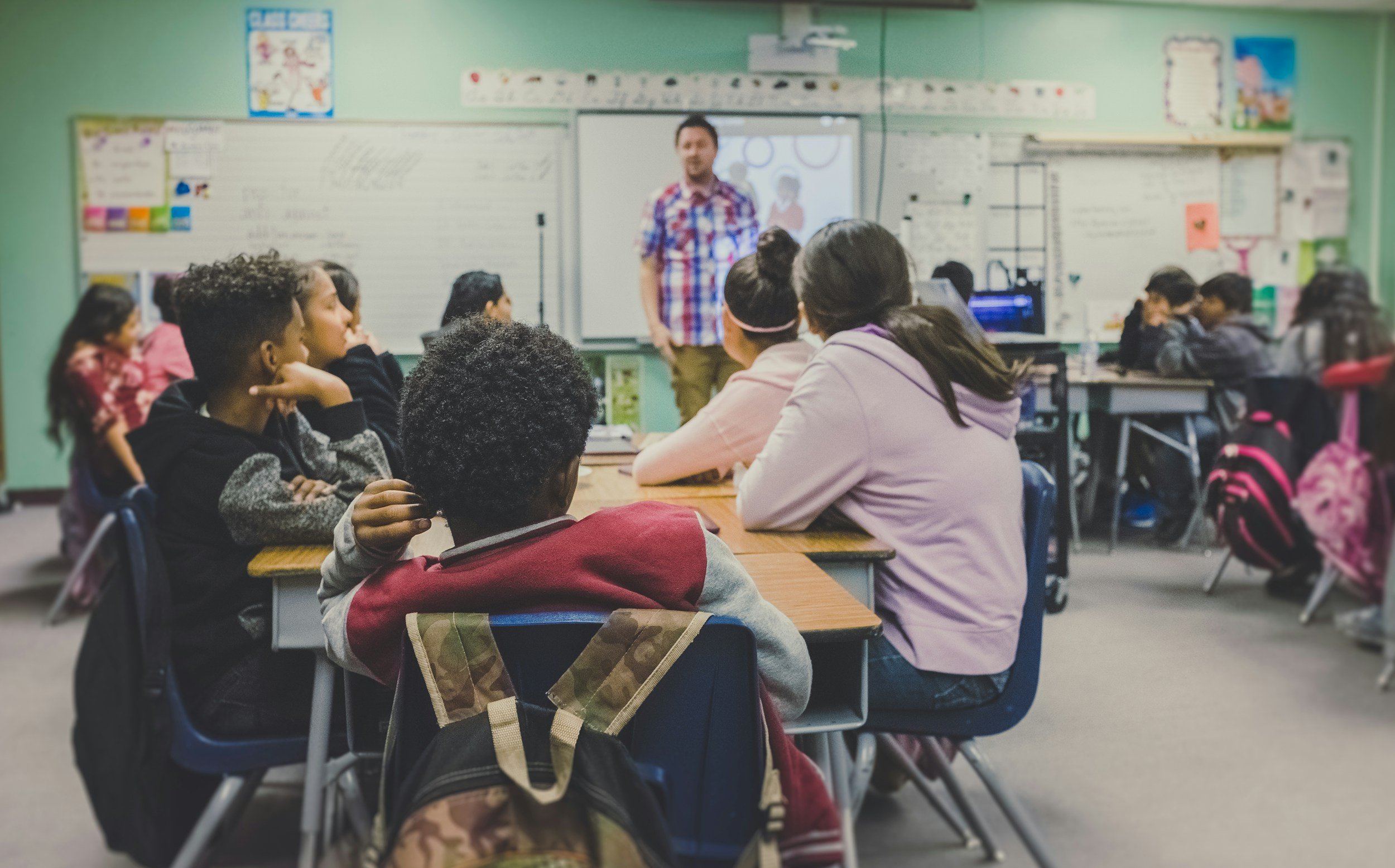
Returning to school after summer break can be an adjustment for students of any age. For refugee and immigrant students, however, the transition often comes with additional challenges that many of their peers may never experience. Navigating a new language, unfamiliar classmates, and coping with the loss of familiar schools can make the start of a new school year both exciting and overwhelming.
That is why educators, administrators, and community organizations all play an important role in creating a welcoming and inclusive learning environment. Small acts of support can have a lasting impact, helping newcomer students feel safe, valued, and prepared to succeed. MO-ORA Refugee School Programs Manager Shawn Cockrum has compiled practical ways schools can support refugee students and their families as they begin a new academic year.
Not as Easy as “ABC”
Enrolling a child in school is only the beginning of a refugee family's educational journey. Many families come from countries where school systems, classroom expectations, and parent-school communication look very different from what they encounter in the United States. Helping families understand how schools operate can turn them from observers into confident, engaged partners in their children's education.
Clear communication should begin as early as possible and remain a priority throughout the school year. Newcomer families may be unfamiliar with common communication tools such as email, text messaging platforms, online parent portals, phone calls, or notes sent home with students. Taking time to explain how information is shared, how absences should be reported, and how families can connect with teachers helps establish trust and reduces confusion.
Parent-teacher conferences are another important opportunity to strengthen school-family partnerships. These meetings allow families to learn about their child's academic progress, celebrate successes, and identify areas where additional support may be beneficial. Schools can make conferences more accessible by explaining their purpose, providing interpretation services when needed, and encouraging parents to ask questions and actively participate in discussions about their child's education.
Understanding the School Calendar
For many refugee families, understanding the flow of the American school year can take time. School calendars often contain important information that may be unfamiliar, including holidays, teacher workdays, early dismissal schedules, and state testing periods. Providing calendars and key school communications in families' preferred languages can help ensure they stay informed and prepared for important events throughout the year.
Schools should also make an effort to explain special events and traditions that may not be immediately understood by newcomer families. Spirit weeks, dress-up days, holiday celebrations, field trips, and classroom activities often come with unique expectations. Providing detailed descriptions and photos can help families understand what is happening and how their child can participate. When special clothing or themed items are required, sharing information about affordable purchasing options can further reduce barriers to participation.
Building connections between families can be equally valuable. Encouraging parents to create group communication channels through platforms such as WhatsApp can foster community, provide a space to share reminders and homework questions, and help families support one another as they navigate an unfamiliar school system.
It is also important to recognize that school calendars include scheduled breaks and days when classes are not in session. For families with younger children, unexpected school closures can create childcare challenges. Proactively sharing information about community programs, after-school care, and alternative childcare resources can help families plan ahead and avoid unnecessary stress.
More than a Backpack
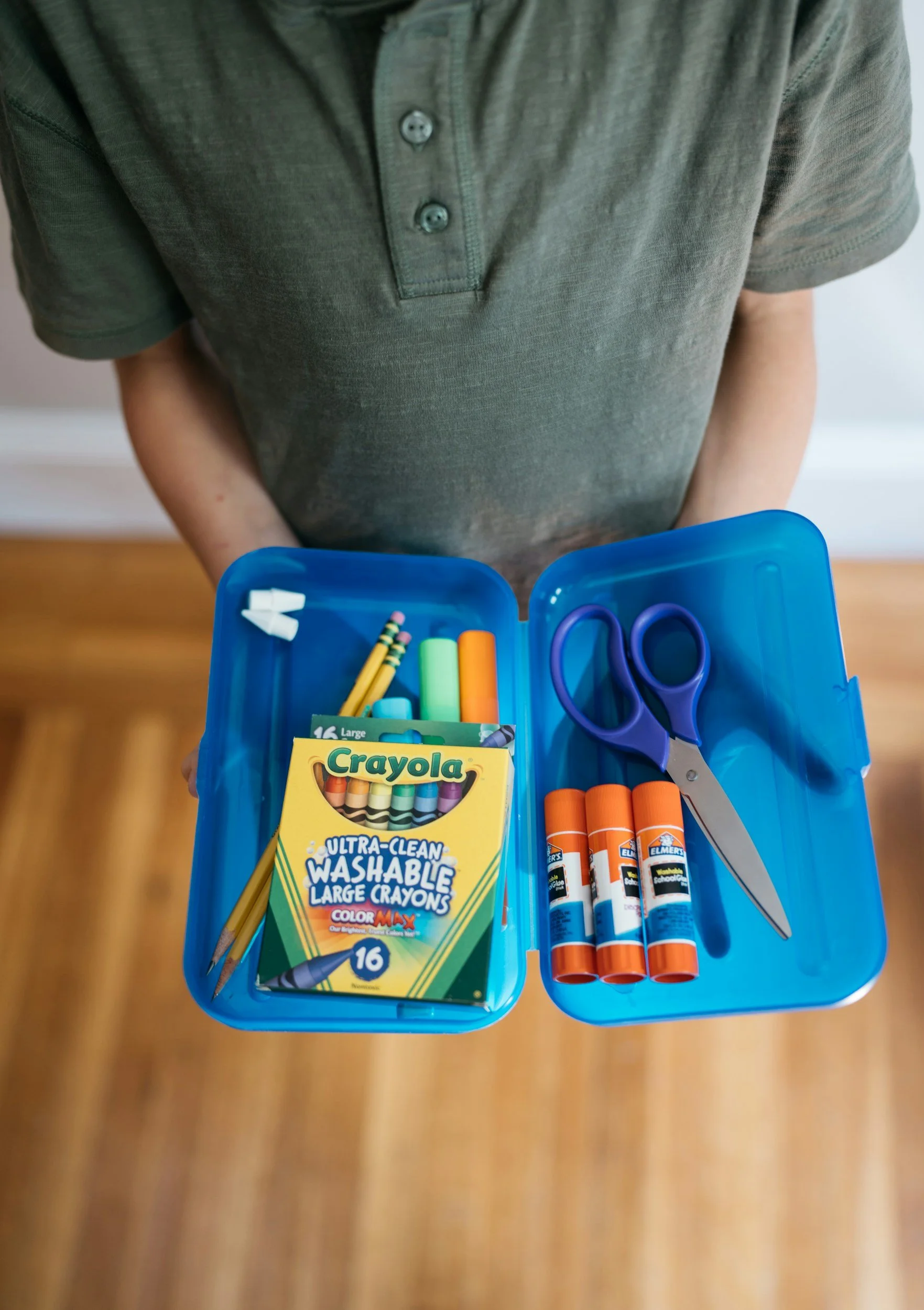
For many newly arrived refugee families, preparing for a new school year can be both confusing and financially challenging. Ensuring families understand school supply requirements and have access to essential items such as backpacks, notebooks, pencils, lunch boxes, and age-appropriate classroom materials is an important step toward creating an equitable learning environment.
Schools and community partners can play a vital role by connecting families with school districts, public libraries, resettlement agencies, and local organizations that host school supply drives or provide back-to-school assistance. Helping families access these resources not only eases financial burdens but also ensures students arrive on the first day of school ready to learn.
A backpack filled with school supplies represents much more than notebooks and pencils. It provides a sense of preparedness, confidence, and belonging. Combined with a welcoming school environment and strong family-school partnerships, these supports help refugee students begin the school year feeling valued, capable, and ready to thrive.
While the challenges refugee families face may seem complex, meaningful support often begins with simple actions: clear communication, access to resources, cultural understanding, and a genuine commitment to inclusion. By investing in these efforts throughout the school year, schools can strengthen family engagement, improve student outcomes, and create learning environments where all students can succeed.